Case study
Turning empty states into lightweight onboarding experiences
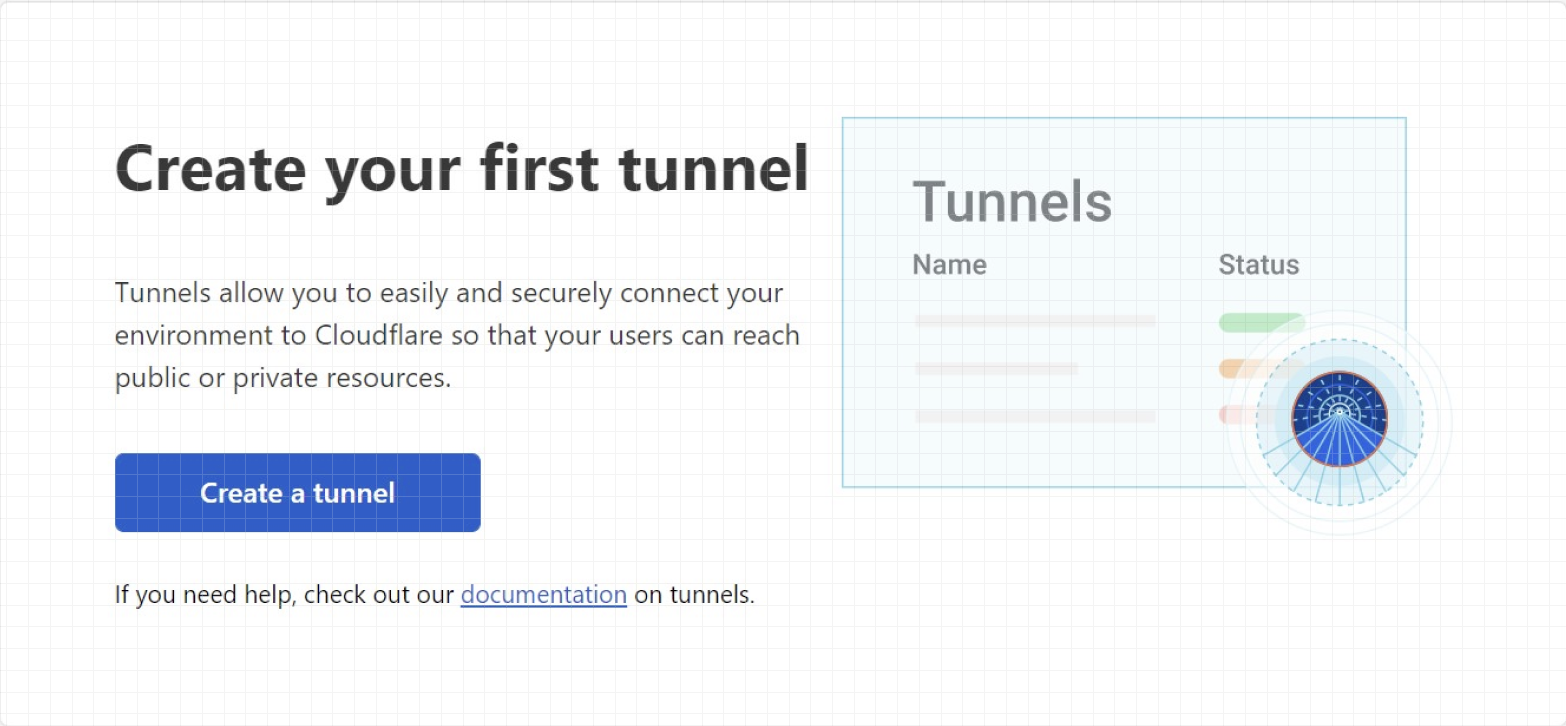
When users first entered a product area in the enterprise dashboard, they were greeted with an empty state page. Technically, they did their job. Each empty state introduced the tool and provided a CTA to begin setup.
But in practice, there was a sharp dropoff in guidance. Users were expected to move from high-level onboarding directly into complex configuration work with very little context around what the product did, why they should configure it, or what steps they needed to complete first.
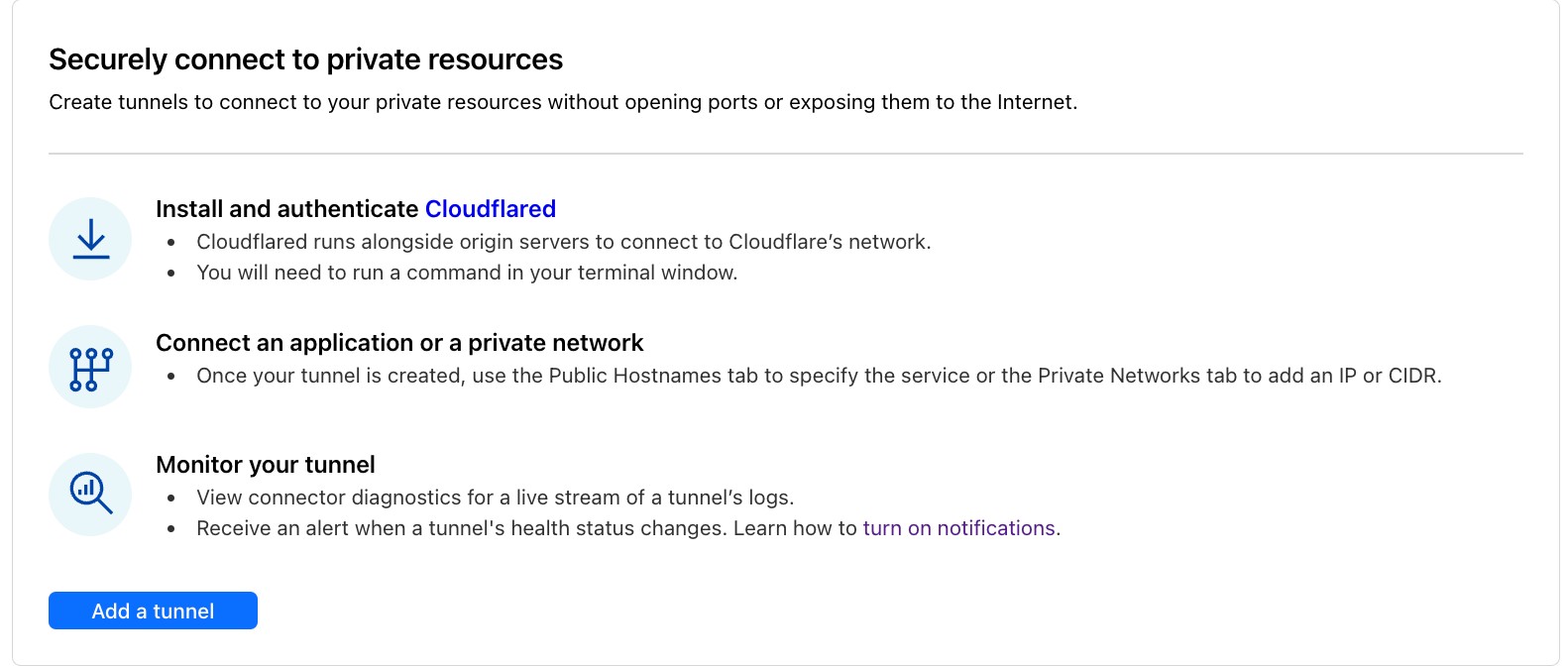
Rather than proposing an entirely new onboarding system, I focused on the quick-win opportunity of turning empty states into lightweight onboarding experiences.
Impact
Turned first-run moments into guided setup
Increased onboarding completion by up to 42.8%
Users who engaged with onboarding education completed setup flows at significantly higher rates than users who experienced the original baseline, with some onboarding paths improving by more than 40%.
Increased prerequisite task completion by 173%
Users were substantially more likely to complete supporting setup tasks when the product clearly explained how those tasks connected to their larger goal.
Established a scalable onboarding framework
Created reusable content patterns and guidelines for onboarding-focused empty states, including recommendations for value framing, prerequisites, action hierarchy, and contextual education.
Introduced measurable onboarding experimentation
Partnered with product, design, and engineering to implement analytics instrumentation, event tracking, and A/B testing that connected onboarding education directly to user success metrics.
The problem
The original empty states functioned more like transition screens than onboarding experiences
Users landed on highly technical pages and were immediately asked to make configuration decisions without enough context to feel confident doing so. The dashboard explained where to click, but not necessarily how the pieces fit together or why certain steps mattered.
This became especially visible in application onboarding. Users often failed because they did not realize they first needed to complete prerequisite setup. Key elements to success, like identity provider configuration, lived elsewhere in the dashboard entirely, with little explanation connecting it back to the application setup flow.
Some technical flows introduced jargon without helping users map those concepts to familiar platforms or use cases.
Users needed enough context to understand what they were doing, why it mattered, and whether they were on the right path before committing to a setup flow.
The solution
A measurable product hypothesis, not just a content refresh
I identified empty states as an overlooked onboarding opportunity and proposed a broader product strategy experiment: using lightweight in-product education to improve onboarding success without requiring a large-scale onboarding rebuild.
I framed the work as a measurable hypothesis. If users were given clearer context, guidance, and motivation at the moment they entered a workflow, they would be more likely to successfully complete setup.
To validate the idea, I partnered with a PM and cross-functional stakeholders to launch an A/B test focused on application setup. Together, we defined success metrics, identified onboarding friction points, and connected empty state engagement directly to downstream configuration outcomes.
Before
After
A reusable empty state framework
Once the experiment demonstrated measurable improvements in onboarding success, the project expanded from a single proof of concept into a scalable framework for empty states across the dashboard.
I partnered closely with product design to develop a reusable empty state template and content model centered around three goals: educating users on what a tool does, motivating them by clarifying value and outcomes, and empowering them to confidently begin technical workflows.
Metrics
Education moved users from understanding to action
The experiment validated the idea that users who better understand a workflow are more likely to complete it successfully. Across every application type tested, the redesigned onboarding experience outperformed the baseline experience.
The strongest gains came from users who interacted with prerequisite education. Private network setup improved by 27.9% for users who viewed prerequisite guidance, while SaaS application setup improved by 42.8%. Even in flows that already had relatively high success rates, like self-hosted applications, users who engaged with onboarding education still converted at higher rates.
The project also surfaced deeper product insights. SaaS onboarding remained significantly lower-performing overall, pointing to workflow and terminology issues extending beyond onboarding content alone.
Reflection
Small moments of clarity can change whether users keep going
Here are principles I would carry into any complex onboarding experience:
01
Educated users are more successful users
Users are more likely to complete complex workflows when the product helps them understand the task before asking them to act. The experiment showed that even lightweight educational guidance, including prerequisites, process overviews, and contextual explanations, could meaningfully improve onboarding success rates across multiple application types.
02
Understanding the why increases motivation
The strongest results came from moments where users understood how a supporting task connected to their larger goal. When users understood why they needed to configure an identity provider or complete prerequisite setup, they were significantly more likely to follow through.